

Hurricane season starts on June 1 and ends on November 30 each year. That's six months during which a single storm can disrupt supply chains, damage property, and halt revenue for weeks—or permanently. For small business owners, the stakes are especially high. Without the financial cushion that larger corporations carry, an unprepared small business can struggle to recover at all. The good news? Preparation makes a measurable difference.
Why Small Businesses Are Especially Vulnerable To Hurricanes
According to FEMA, roughly 40% of small businesses never reopen after a major disaster. Of those that do reopen, another 25% close within a year. These aren't scare statistics—they're a call to act before a storm develops offshore.
The financial impact of a hurricane extends well beyond physical damage. Even if your property escapes relatively unscathed, you may lose revenue during mandatory evacuations, face delayed shipments, or find that key suppliers or customers are no longer operational. A recovery plan needs to account for all of these scenarios, not just the most obvious ones.
Building Your Pre-Hurricane Business Continuity Plan
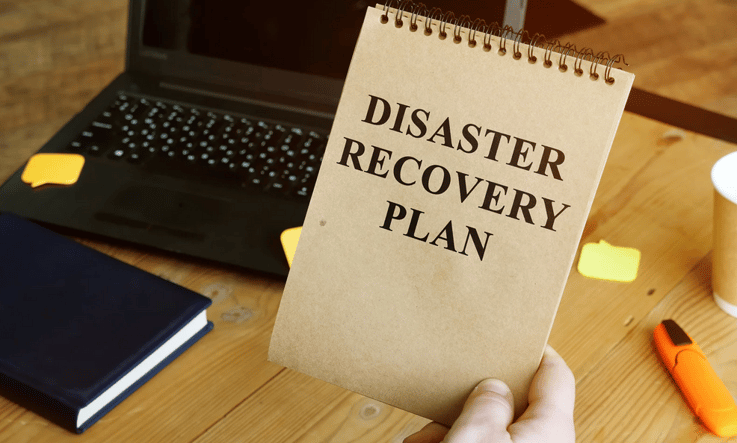
A business continuity plan (BCP) is a documented process that outlines how your business will continue operating—or recover quickly—during and after a disruptive event. For small businesses in hurricane-prone areas, having one isn't optional.
What To Include In Your Continuity Plan
Start with the basics:
-
Critical functions: Identify which operations must continue at all costs—payroll, customer communications, inventory management—and which can be paused temporarily.
-
Data backup: Store financial records, customer data, and contracts in a cloud-based system that can be accessed from anywhere. Losing digital records after a storm compounds an already difficult situation.
-
Communication protocols: Establish how you'll contact employees, customers, and suppliers during and after a hurricane. A simple group messaging system or email chain can prevent significant confusion.
-
Temporary operating locations: Know in advance where you could operate if your primary location becomes inaccessible. This might be a co-working space, a supplier's facility, or a home office setup.
Revisit and update this plan annually, ideally in May before hurricane season begins.
Immediate Steps To Take When A Hurricane Warning Is Issued
When a hurricane warning is issued for your area, time is short. Having a pre-established checklist removes the guesswork.
-
Secure or bring inside any outdoor equipment, signage, or inventory that could be damaged or become projectiles.
-
Back up all critical digital files to cloud storage.
-
Photograph or video your entire property for insurance documentation.
-
Notify employees, customers, and key suppliers of your anticipated closure and expected reopening timeline.
-
Contact your bank to discuss emergency credit options or a short-term line of credit before the storm hits—not after.
If time permits, move vulnerable inventory to higher ground or an off-site storage facility.
Financial Recovery After A Hurricane: Where to Start
Once the storm has passed and it's safe to return, your first priority is assessing the damage—not just to the physical space, but to your financial position.
Documenting losses for insurance claims
Walk through your property and record all damage with photos and video. List damaged or destroyed inventory, equipment, and fixtures with estimated replacement values. Keep all receipts for emergency repairs, temporary accommodations, and other storm-related expenses.
File your insurance claim as soon as possible. Insurance adjusters are in high demand after major storms, and early filers tend to receive faster processing.
Managing Cash Flow During The Recovery Period
Even with insurance and recovery loans in motion, there's often a gap between when costs hit and when funds arrive. To bridge that gap:
-
Draw on a pre-established line of credit or emergency savings.
-
Communicate proactively with creditors and landlords—many offer deferrals or payment plans after declared disasters.
-
Prioritize revenue-generating activities as early as possible, even if that means operating at reduced capacity.
-
Apply for recovery resources as early as possible, given processing times.
The Most Important Step You Can Take Right Now
Every hour spent on hurricane preparedness now is worth dozens of hours in recovery time later. Don't wait for a named storm to appear on the radar. The time to prepare is when the skies are clear.
Since 2005, Quikstone Capital Solutions has been a trusted advisor to thousands of merchants. Quikstone provides these merchants with easy, fast, and flexible working capital for all their business needs. If you need cash for your business, contact us today. We have only one goal: to help your business succeed.