
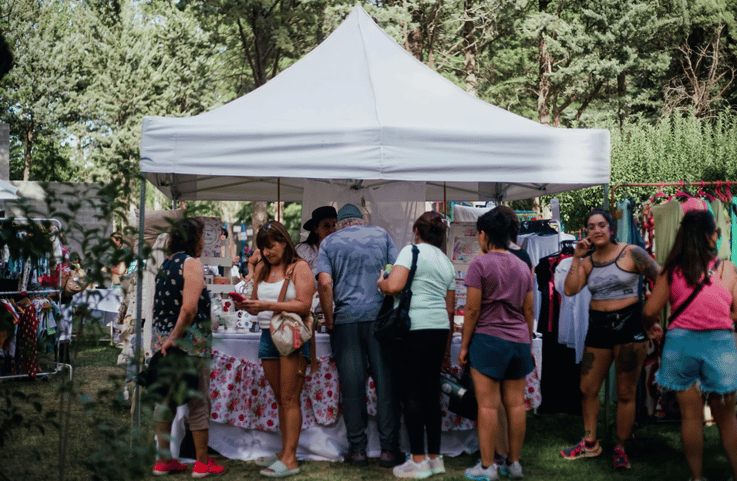
 The weeks between the start of fall and the holiday shopping season can be a valuable window for independent retailers. Customers are settling into a new season, looking for reasons to get out of the house, and often beginning to think about upcoming gatherings, gifts, and seasonal purchases. For small retail businesses, this is also a chance to create a little excitement before the busiest part of the year begins.
Why Plan A Fall Event Before Holiday Shopping Picks Up?
Once the holiday season arrives, many retailers have little extra time for experimentation. Between increased customer traffic, inventory management, promotions, extended hours, and seasonal staffing, November and December can quickly become hectic.
Hosting a small event earlier in the fall gives you an opportunity to engage customers without adding another major project to an already packed holiday calendar. Think of a fall event as both a customer experience and a low-pressure opportunity to learn what may work later in the year.
Choose An Event That Fits Your Store
You do not need to transform your store into an event venue. Start with what you already sell, the space you have available, and the number of employees who can realistically help. The best event is one that feels like a natural extension of your business.
Host A Short Product Demonstration
If you sell products that customers may want to see, taste, try, or learn how to use, a demonstration can be an easy place to start. A kitchen store might demonstrate a seasonal recipe or gadget. A boutique could show customers several ways to style a fall wardrobe staple. A craft or hobby shop could offer a quick demonstration featuring a seasonal project.
Keep it short and approachable. Customers should still feel comfortable walking into the store even if they did not specifically come for the demonstration. You can also place the products used during the demonstration nearby so interested shoppers can easily find them afterward.
Partner With A Nearby Business
A fall event does not have to be something you organize entirely on your own. Consider partnering with another local business whose customers overlap with yours. A boutique could invite a local coffee shop to provide seasonal drinks. A home décor store might partner with a florist for a small arrangement workshop. Several neighboring businesses could coordinate an evening of extended shopping hours.
Partnerships can help divide the workload while introducing each business to new customers. Keep the arrangement simple. Decide in advance who is responsible for supplies, promotion, staffing, cleanup, and any costs associated with the event.
Give Shoppers A Reason To Browse
Sometimes an event can be as simple as adding an activity to the normal shopping experience. Fall provides plenty of possibilities without requiring an elaborate theme. You could organize a seasonal scavenger hunt around the store, create a fall product showcase, offer a small giveaway, or invite customers to vote for their favorite seasonal item.
Halloween can certainly be part of the mix. A costume-shopping night, trick-or-treat event, or spooky product hunt may work well for stores whose customers would enjoy them. But fall events can just as easily focus on changing seasons, football weekends, cozy nights at home, local traditions, or preparing for upcoming gatherings.
Learn What Worked Before Planning The Holidays
Once the event is over, take a few minutes to evaluate it while the experience is still fresh. You do not need an elaborate reporting system. Start with a few practical questions:
- How many people attended?
- Did customers stay and browse?
- Which products generated the most interest?
- Did featured products see an increase in sales?
- Did customers ask about future events?
- Was the event manageable for your staff?
Sales matter, but they do not have to be the only measure of success. A customer who discovers your store at a fall event may return during the holidays, recommend the business to a friend, or sign up for your email list. Pay attention to those interactions as well.
Plan The Next Investment Carefully
A successful fall event may give you ideas for bigger holiday promotions, additional inventory, new displays, or expanded marketing. Before making those investments, look at what the event actually taught you and how much cash the business can comfortably commit.
The goal is not to spend more simply because the holiday season is approaching. It is to use what you learned during the fall to make thoughtful decisions about where additional inventory, marketing, or customer experiences could have the greatest impact.